Lumbar and Cervical Disc Decompression
Flexion distraction, a gentle table-based technique that opens space at the disc without forceful thrusting.
What it is
Understanding disc decompression
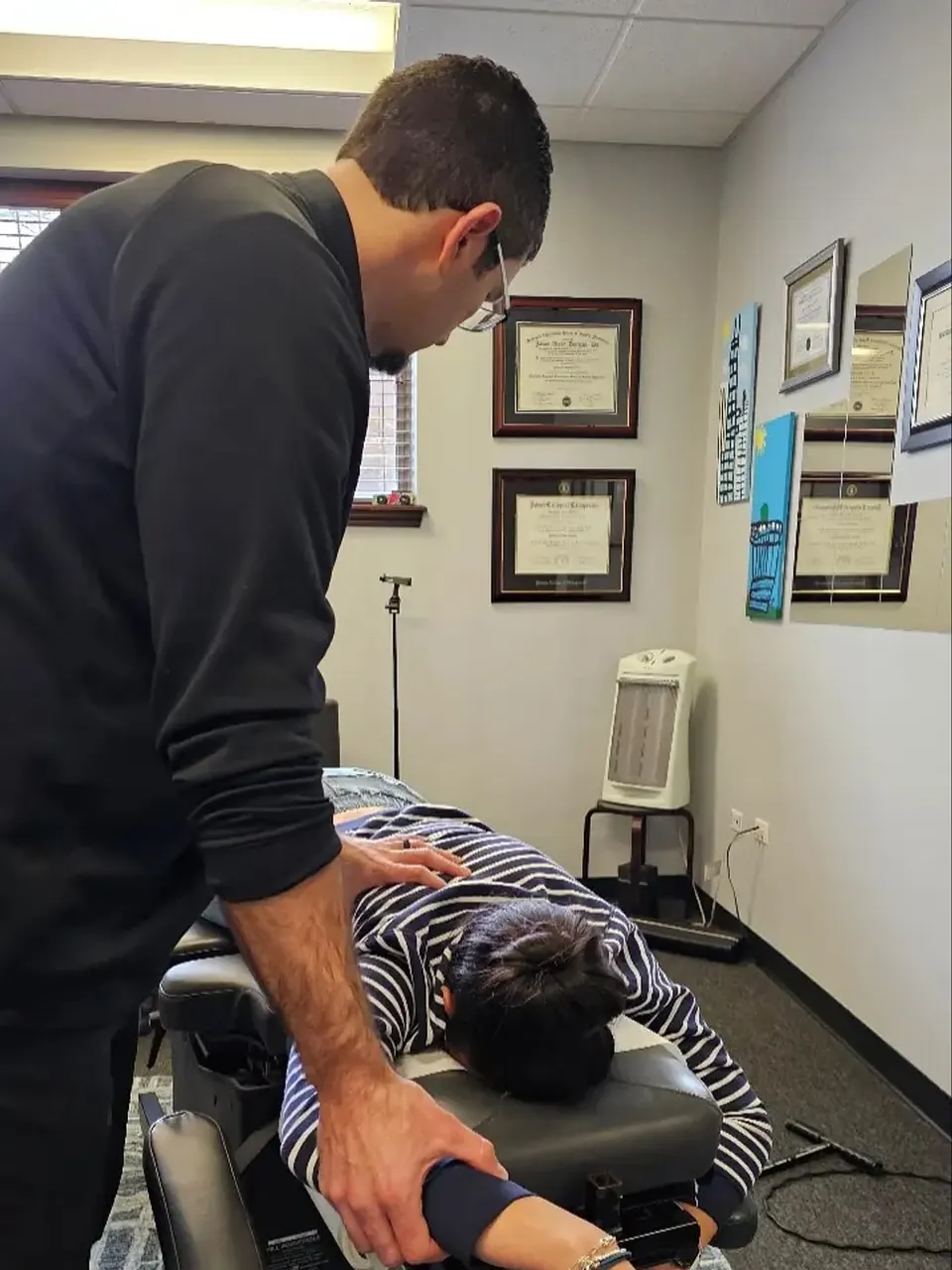
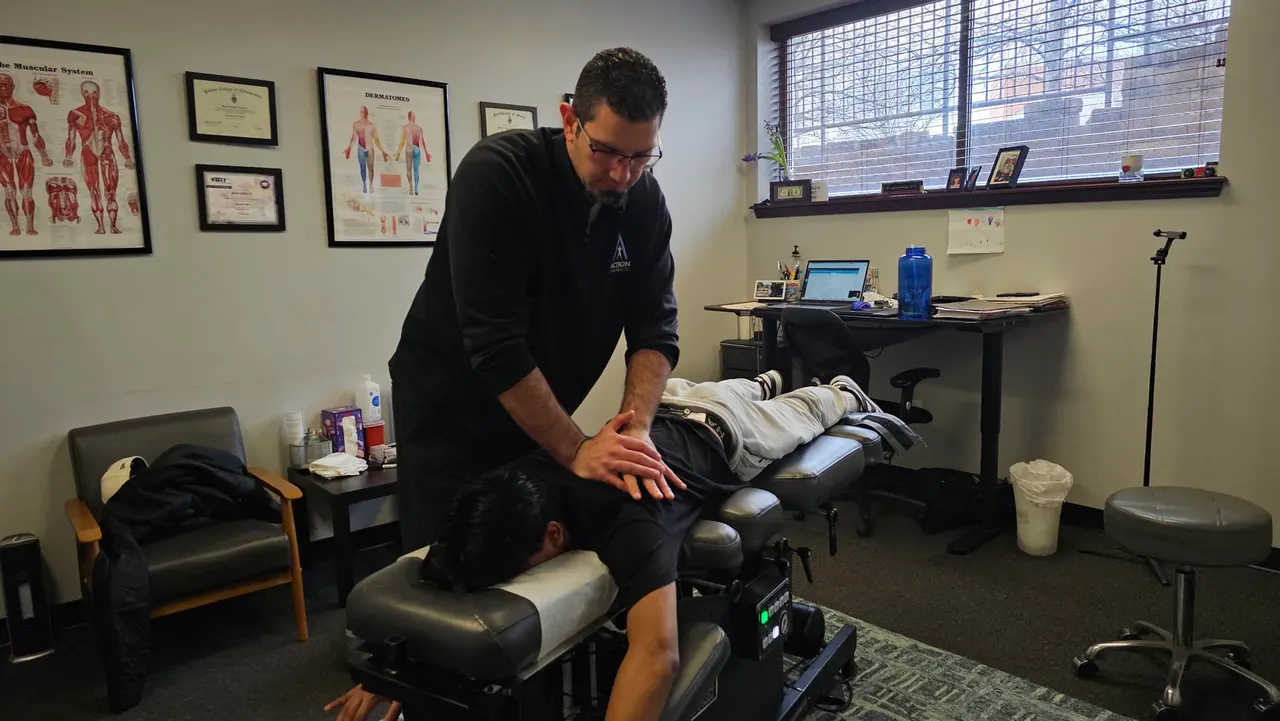
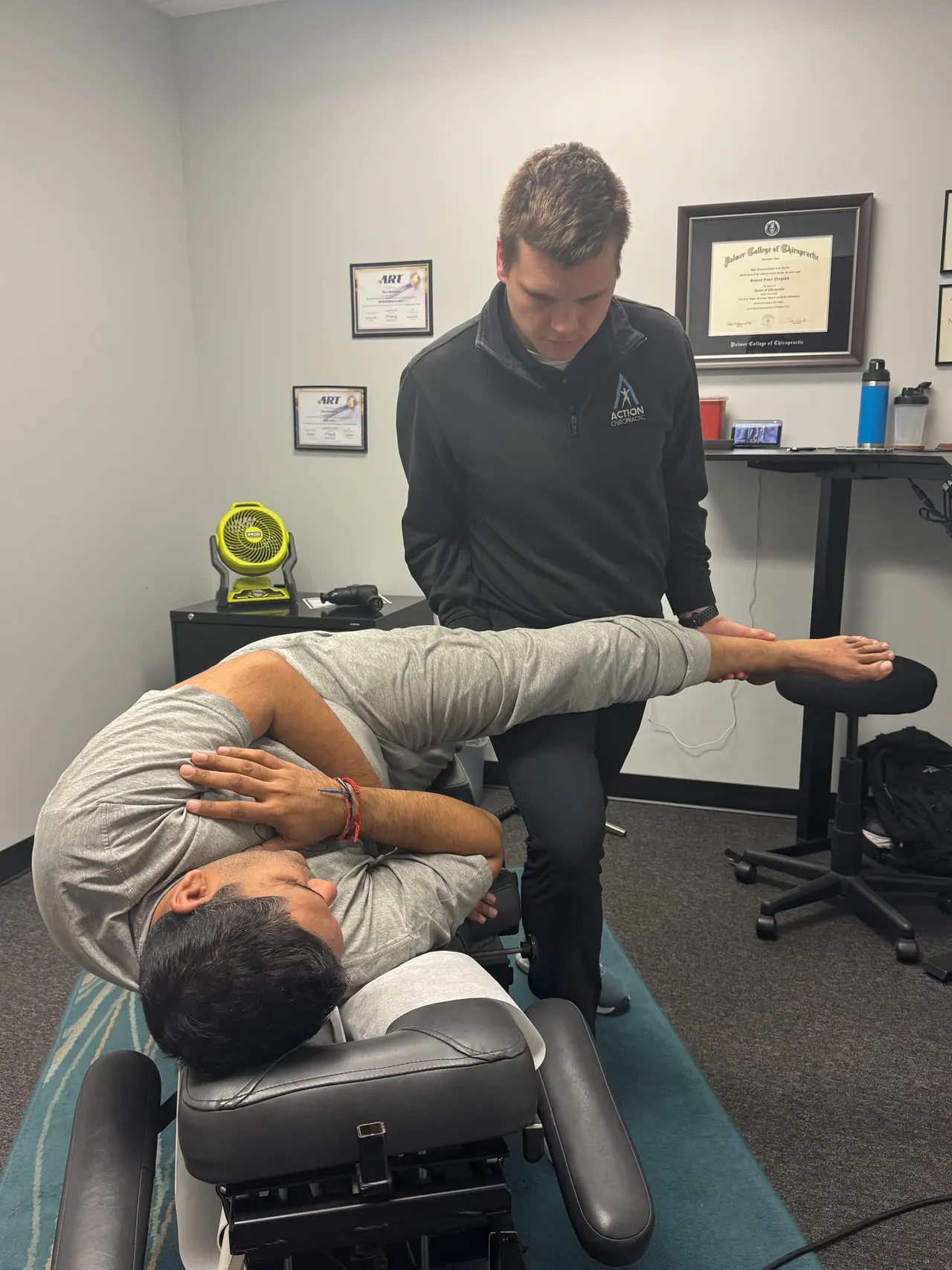
The clinic uses the Cox Flexion Distraction Technique, which applies slow, controlled traction to the lumbar or cervical spine on a segmented table. The motion is rhythmic and gentle, and it is a common choice when a disc is involved and a forceful adjustment would not be appropriate.
It is often the entry point for people who arrive nervous about being adjusted at all, because there is no thrust and no cavitation.
How it works
The Cox Flexion Distraction Technique
How the clinic describes what the technique does, in their own terms.
Create space between the vertebrae. The technique opens space at the segment, which eases pressure on the disc and reduces irritation of the nerve, in both the lumbar and cervical spine.
Support nutrient exchange. Gentle decompression is used to encourage nutrient exchange in the disc, which is the reasoning behind using it for degenerative change.
Relieve the mechanical pressure. By reducing mechanical pressure on the nerve, the aim is to reduce radiating pain, numbness and tingling into the leg or arm.
What it helps
Considered for these presentations
- Cervical herniated disc
- Lumbar disc irritation
- Sciatica with disc involvement
- Spinal stenosis symptoms
- Referred leg or arm pain
- Low back pain that worsens with sitting
Explore more
Other ways we can help

Start here
Your health deserves
better.
Whether something hurts today or you simply want to move well for a long time, it starts with one visit.