TMJ and Jaw Pain
Pain, clicking or restriction at the jaw joint, frequently accompanied by tension through the neck and temple.
What it is
Understanding tmj
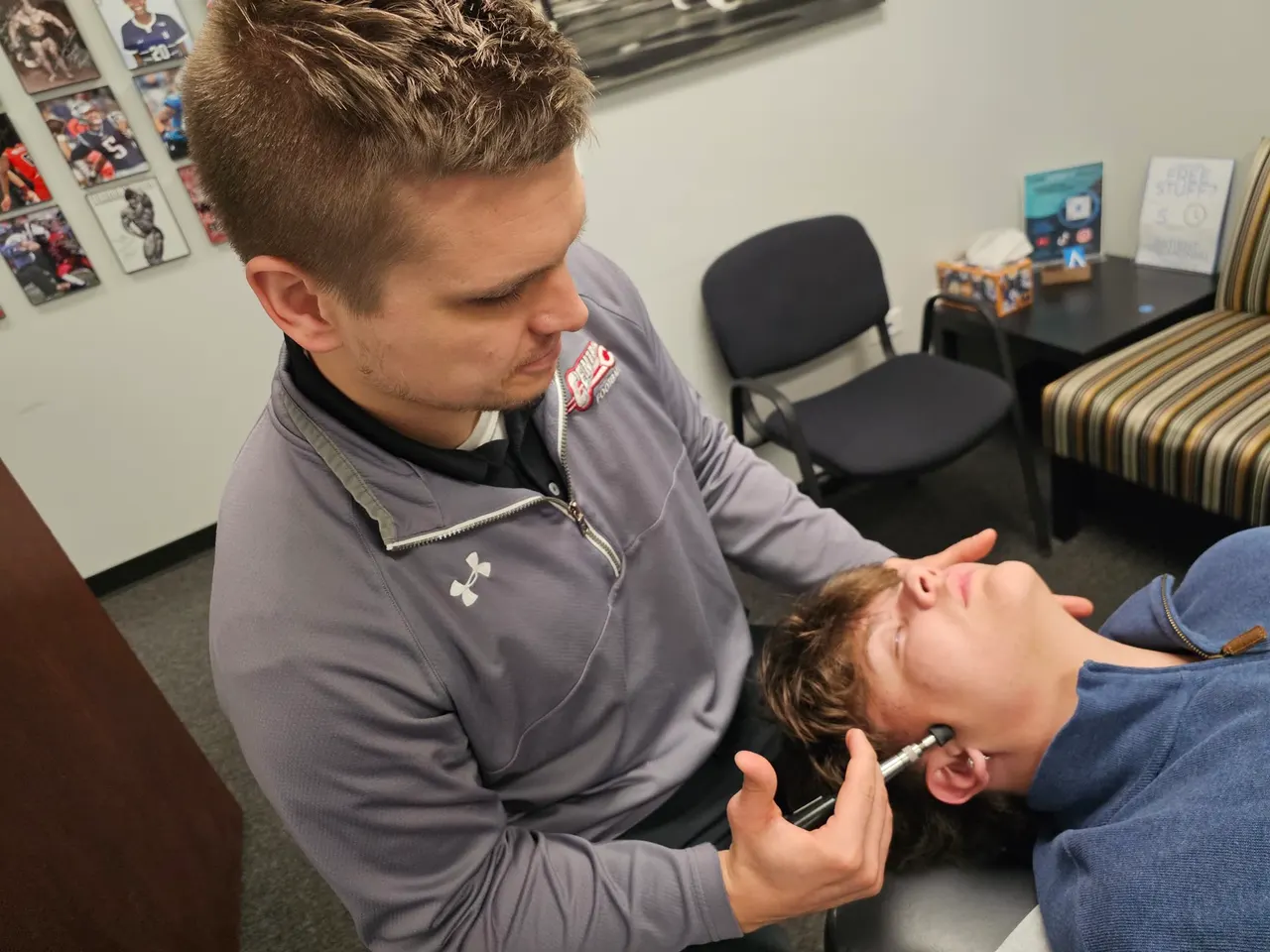
We assess the jaw and the upper neck together, because treating the joint without addressing the neck tends not to hold.
Work here is gentle and specific. This is a small joint and it does not respond well to force.
What is behind it
Where it usually comes from.
Clenching and grinding. Sustained clenching, often at night, keeps the jaw muscles loaded for hours at a time.
Neck restriction. The jaw and the upper neck share muscular attachments, so restriction in one shows up in the other.
One-sided chewing habit. Consistently chewing on one side loads that joint far more than the other.
Impact or trauma. A blow to the jaw or a whiplash mechanism can change how the joint tracks.
Your first visit
What we check first.
We check how your jaw opens and closes, including any clicking, drift to one side or limited range, then the muscles of the jaw, temple and neck. The upper neck is part of the exam because it so often travels with jaw problems.
If you see a dentist for clenching or grinding, we are happy to work alongside them. Night guards and dental work stay with your dentist; our part is the joint and the muscles around it.
How we treat it
Our approach to tmj.
Soft tissue work to the muscles of the jaw and temple, gentle joint work, and treatment of the upper neck alongside it.
Between visits
What helps at home.
Give the jaw a rest
Softer foods for a while, small bites, and no gum. Avoid wide yawns where you can.
Catch daytime clenching
Lips together, teeth apart, tongue resting on the roof of the mouth. Checking in a few times a day breaks the habit.
Mind your desk posture
A forward head position adds tension through the jaw and neck, so the screen changes that help neck pain help here too.
When to see a doctor first
Signs this needs medical attention.
- A jaw that locks open or closed
- Swelling of the face or jaw, or a fever
- Jaw pain with chest pain, shortness of breath or sweating
- A change in how your teeth fit together after an injury
- Pain after a blow to the face or jaw
If any of these apply, see a medical doctor before booking with us. If the symptoms are sudden or severe, go to the emergency room or call 911.
Common questions
TMJ FAQs
Can a chiropractor help with TMJ?
We treat the jaw joint and the muscles that move it, along with the neck, using soft tissue work and gentle joint techniques. Some jaw problems are dental and belong with your dentist, and we will tell you if that is where yours sits.
Why does my jaw click?
Clicking usually comes from the small disc inside the joint moving out of step with the jaw. Painless clicking on its own is common; clicking with pain, locking or restricted opening is worth getting assessed.
Is TMJ related to neck pain?
Often, yes. The jaw and upper neck share muscles and nerve supply, so tension in one commonly shows up in the other.
“The purpose of chiropractic care is not the treatment of conditions or disease; rather, it is the restoration of normal body function.”
Explore more
Other things we work with
Start here
Your health deserves
better.
Whether something hurts today or you simply want to move well for a long time, it starts with one visit.