Cervical Herniated Disc
When a disc in the neck bulges or herniates, it can press on nearby nerve tissue and send symptoms down the arm rather than staying local.
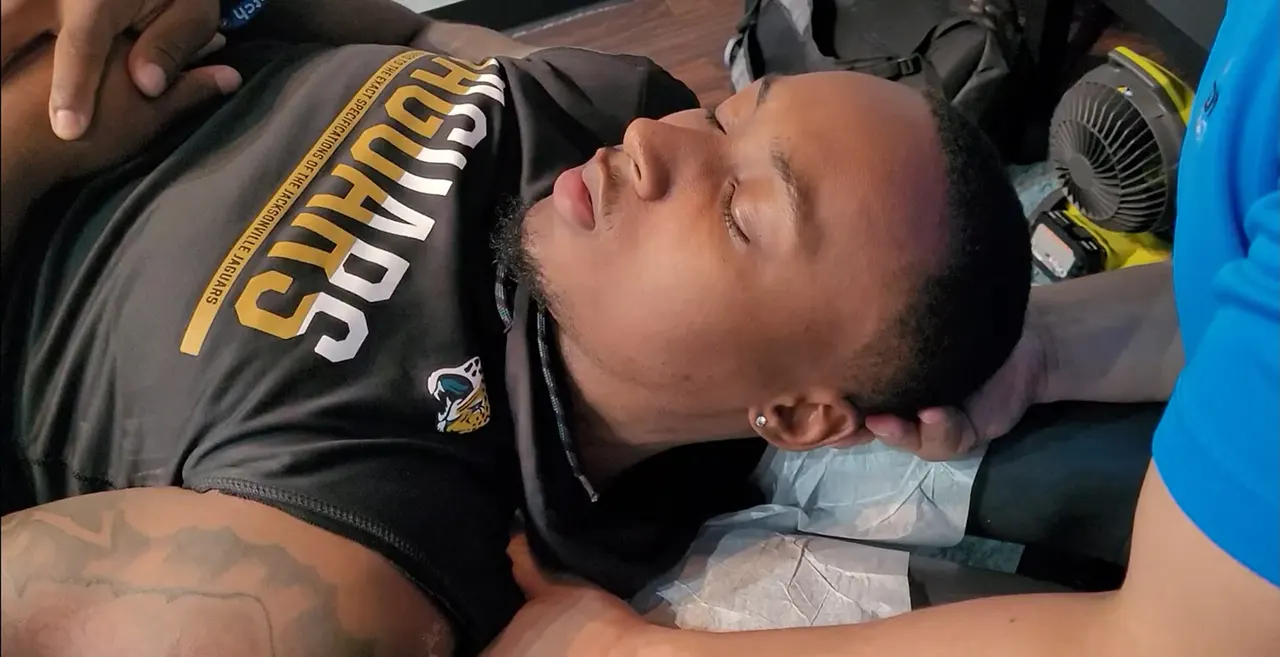
What it is
Understanding cervical herniated disc
We assess where the symptoms actually originate before treating anything. Arm symptoms with a neck cause behave differently from a genuine shoulder problem, and the difference matters for what we do next.
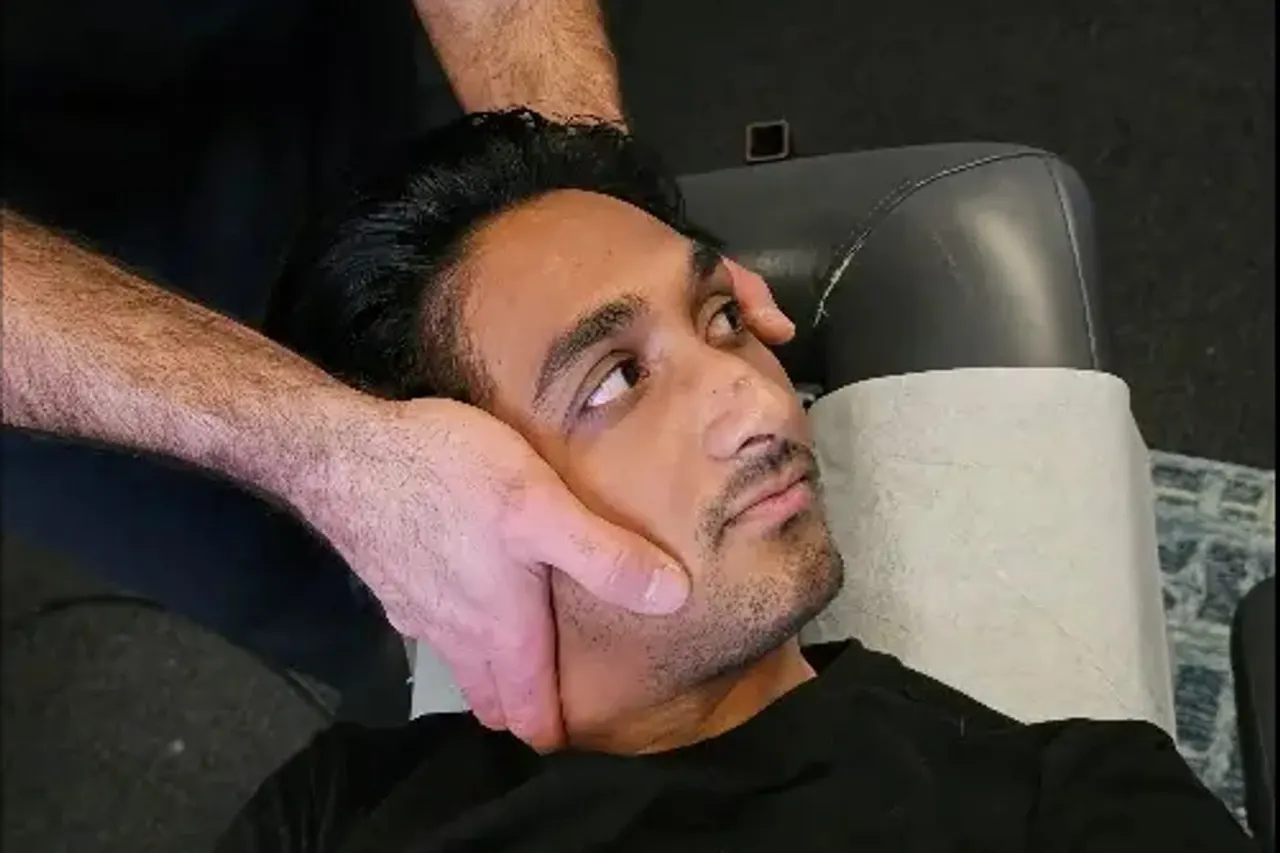
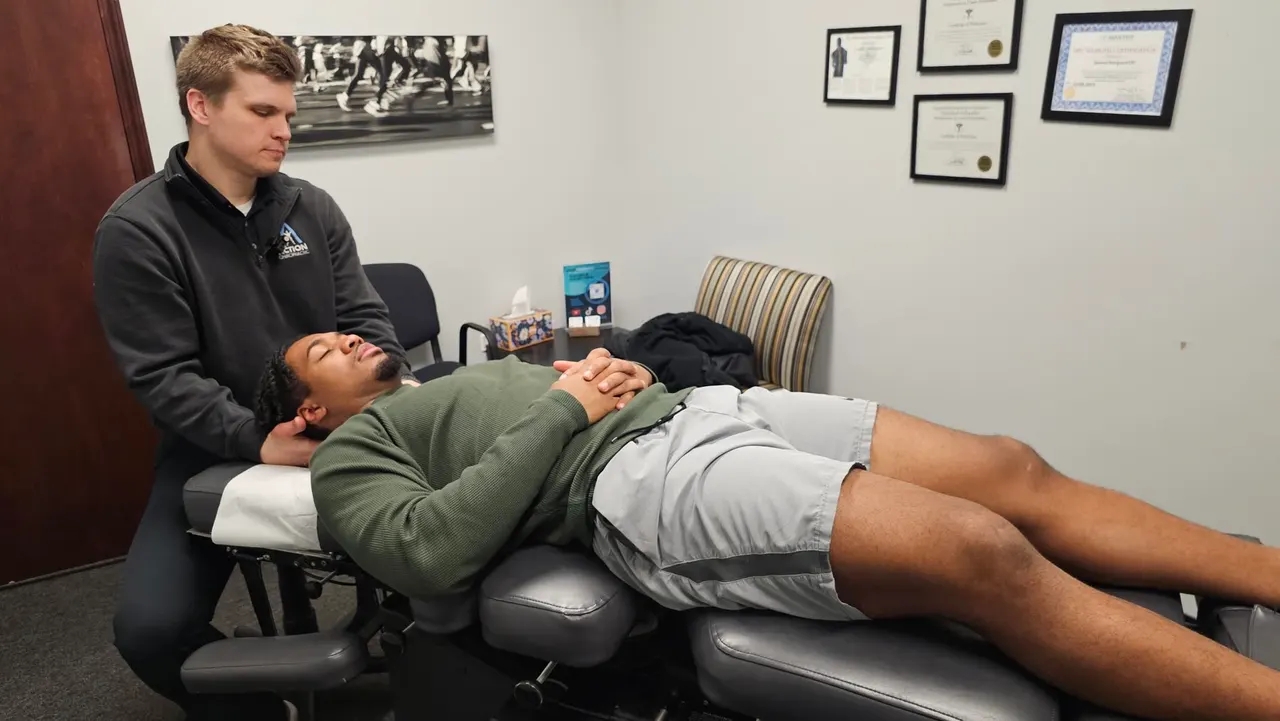
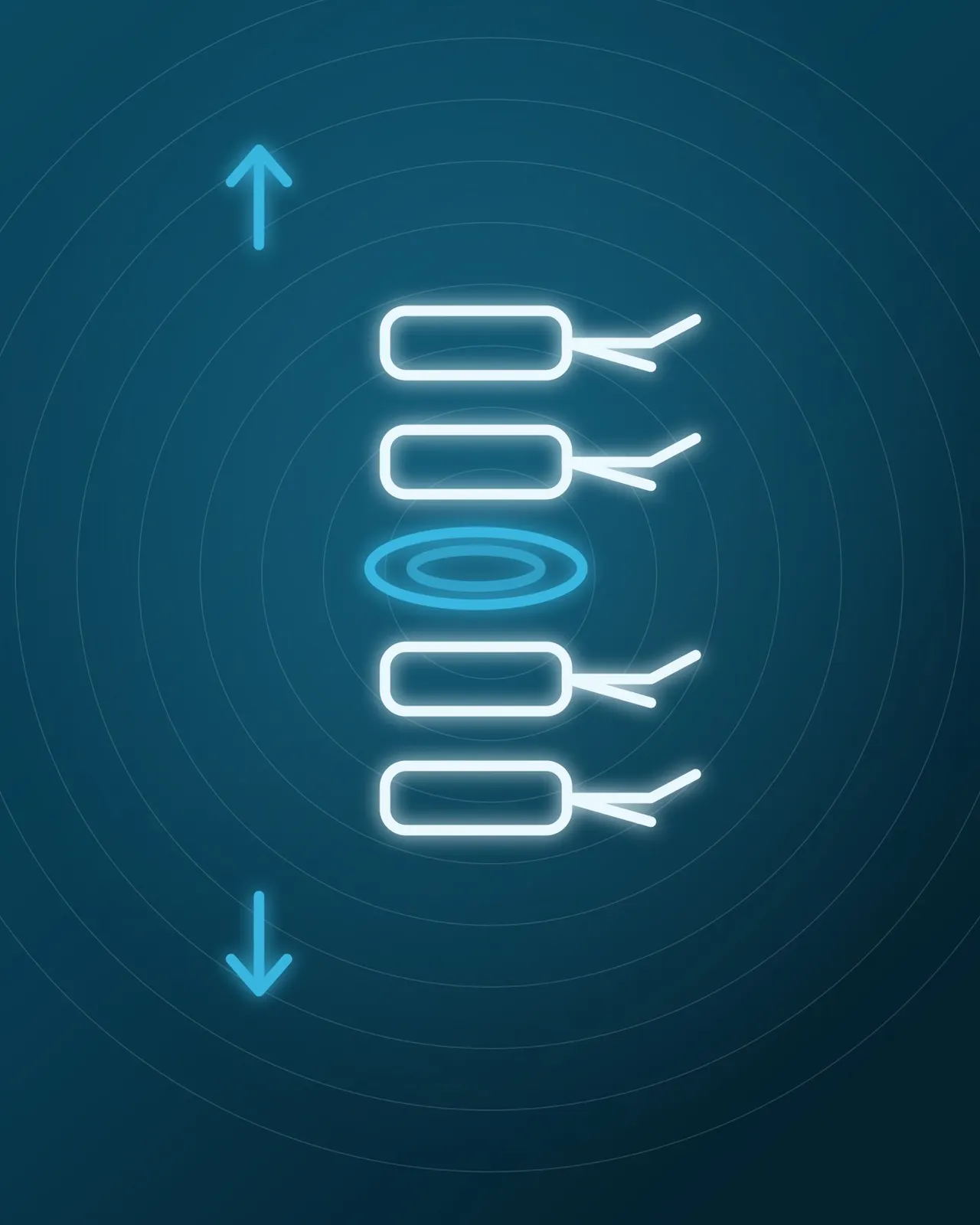
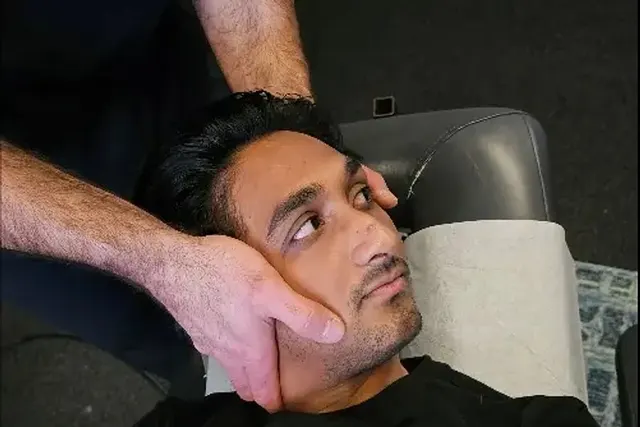
Where a disc is involved, flexion distraction is often the more appropriate starting point than a forceful adjustment. It applies gentle, controlled traction without a thrust.
What is behind it
Where it usually comes from.
Sustained forward head posture. Long hours with the head carried in front of the shoulders loads the lower cervical discs continuously.
Repetitive loading. Overhead work or repeated lifting through a poor position adds up over months rather than in one moment.
Impact or trauma. A collision or a fall can compress the neck sharply enough to change the disc.
An earlier injury that never resolved. Restricted segments above and below force the affected level to take more motion than it should.
Your first visit
What we check first.
We start with how and when the symptoms began, then check how your neck moves and which positions bring the arm symptoms on or ease them. Testing reflexes, strength and sensation in both arms shows which nerve root is involved and how irritated it is.
If anything in that exam points to a problem that needs imaging or a medical opinion first, we tell you and refer you before treating. Otherwise care usually starts the same visit, with gentle decompression rather than adjusting the irritated level.
How we treat it
Our approach to cervical herniated disc.
Care usually opens with gentle decompression rather than adjusting, then adds soft tissue work through the neck and shoulder as symptoms settle.
Between visits
What helps at home.
Break up screen time
Long stretches with the head forward load the lower neck discs. Set the screen at eye level and get up every 30 to 45 minutes.
Use the positions that ease it
Many people find one position, such as resting a hand on top of the head, takes the edge off arm symptoms. Use what helps and tell us about it.
Hold off on heavy overhead loading
Pressing or carrying heavy loads overhead tends to aggravate an irritated neck disc. Ask us when to bring it back.
When to see a doctor first
Signs this needs medical attention.
- Weakness in the arm or hand that is getting worse
- Clumsiness in both hands, or trouble with balance or walking
- Any change in bladder or bowel control
- Symptoms that started after a fall, collision or other major injury
- Fever, unexplained weight loss, or a history of cancer alongside the neck pain
If any of these apply, see a medical doctor before booking with us. If the symptoms are sudden or severe, go to the emergency room or call 911.
Common questions
Cervical Herniated Disc FAQs
Can a herniated disc in the neck get better without surgery?
Many people with a cervical disc herniation improve with conservative care, and surgery is usually reserved for specific situations such as weakness that keeps getting worse. Whether conservative care makes sense for you is what the assessment answers, and we refer you on if it does not.
Will you adjust my neck?
Not at the irritated level. With disc involvement we use gentle flexion distraction and soft tissue work, and only adjust other segments where the exam supports it.
Do I need an MRI first?
Not usually. Imaging is most useful when symptoms are severe, getting worse, or not improving as expected, or when the exam finds something that needs a closer look. If we think you need one, we will say so and refer you.
Why does my arm hurt if the problem is in my neck?
The nerve roots that leave the neck supply the shoulder, arm and hand. When one is irritated at the spine, you often feel it along the arm rather than at the neck itself.
“The purpose of chiropractic care is not the treatment of conditions or disease; rather, it is the restoration of normal body function.”
Explore more
Other things we work with
Start here
Your health deserves
better.
Whether something hurts today or you simply want to move well for a long time, it starts with one visit.