Plantar Fasciitis
Heel and arch pain that is at its worst for the first few steps of the morning, then eases as you move.

What it is
Understanding plantar fasciitis
The pain is at the heel, but the restriction is usually further up. Calf and ankle mobility drive most of what the plantar fascia has to absorb.
This is a condition where the at-home work matters as much as the treatment, so you will leave with something specific to do.
What is behind it
Where it usually comes from.
A jump in standing or running volume. More time on your feet than the tissue is conditioned for is the usual trigger.
Restricted calf and ankle. A tight calf limits ankle motion, so the arch takes more load with every step.
Footwear change. Moving to flatter or less supportive shoes alters the load through the arch immediately.
Hip and foot mechanics. How the foot strikes and how the hip controls the leg above it both change what the arch absorbs.
Your first visit
What we check first.
We confirm where the pain sits on the heel and arch, then look at calf flexibility, ankle mobility, foot mechanics and how you walk. Footwear and recent changes in activity are part of the history.
If the pain does not fit plantar fasciitis, such as pain that started with a fall or numbness in the foot, we look further and refer you if needed.
How we treat it
Our approach to plantar fasciitis.
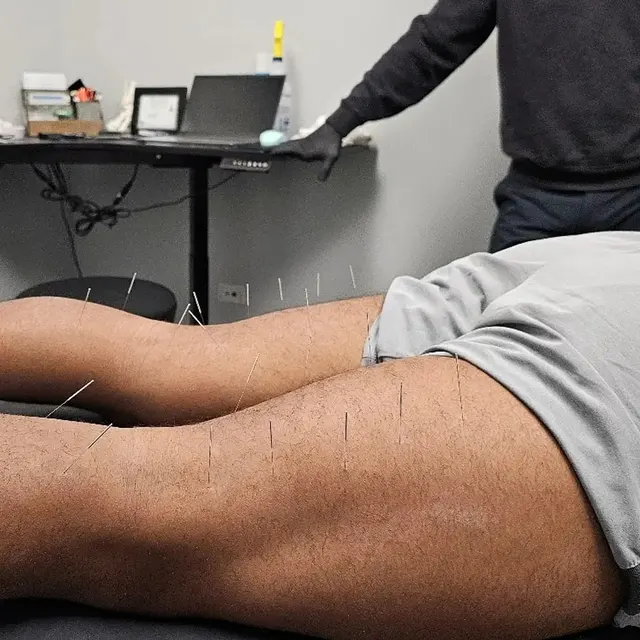
Soft tissue work through the calf and the plantar fascia, ankle and foot adjusting where restricted, plus loading you can do at home.
Between visits
What helps at home.
Stretch before the first steps
Gently flex your foot and calf for a minute before getting out of bed to take the edge off those first painful steps.
Wear supportive shoes at home
Walking barefoot on hard floors often aggravates it. Supportive shoes or sandals around the house help.
Ease back gradually
Reduce long walks, runs and standing where you can, then build back up in small steps.
When to see a doctor first
Signs this needs medical attention.
- Heel pain that started with a fall, jump or other injury
- Swelling, bruising, or difficulty putting weight on the foot
- Numbness, tingling or burning in the foot
- Pain that is worse at rest or at night
- A red, hot, swollen foot or a fever
If any of these apply, see a medical doctor before booking with us. If the symptoms are sudden or severe, go to the emergency room or call 911.
Common questions
Plantar Fasciitis FAQs
Why is my heel pain worst first thing in the morning?
The plantar fascia tightens overnight while your foot rests. The first steps stretch it suddenly, which is why the pain often eases after a few minutes of walking.
Do I need orthotics?
Not always. Some people benefit from them, but calf flexibility, strength and how much load the foot is taking usually matter as much. We will tell you if we think orthotics are worth it for you.
How long does plantar fasciitis take to settle?
It can be stubborn, and it varies with how long you have had it. You get an honest estimate after the assessment, and we re-check progress as we go.
“The purpose of chiropractic care is not the treatment of conditions or disease; rather, it is the restoration of normal body function.”
Explore more
Other things we work with
Start here
Your health deserves
better.
Whether something hurts today or you simply want to move well for a long time, it starts with one visit.